quicksearch


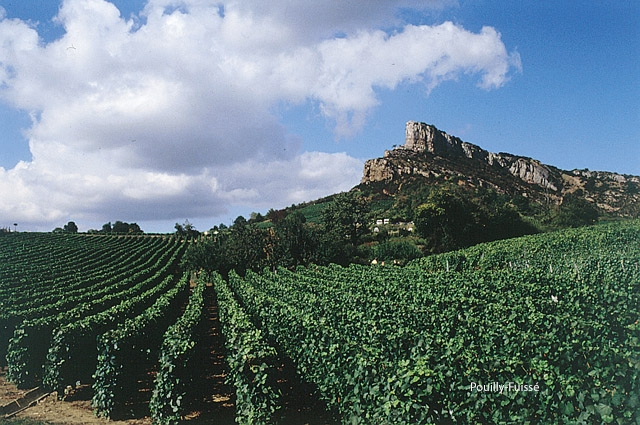
The chardonnay grape is extremely versatile, and its wines range widely in flavour from the lean, unoaked, flinty, steely, high-note versions of French Chablis and Champagne to the broad, buttery, heavily oaked versions of many California versions.
Like a prism, one element (wine/light) goes into the prism/winery, and a great range of results can come out the other side. It is why ABC wine drinkers (Anything But Chardonnay), traumatized many years ago by a kind of zombie march of mediocre, creamy, oak-bomb chardonnays in the North American market, would do well to look at how wide the chardonnay wingspan really is.
Three Important Forks in the Chardonnay Road
The final taste of every wine, regardless of the grape variety, can be influenced by scores of decisions made in the vineyard during the growing season or nudged in a particular direction by a winemaker's choices at numerous inflection points in its fermentation and ageing. But perhaps no grape shows the intentions of the winemaker as clearly as chardonnay. Three of the important winemaking decision points that can bend the trajectory of the final wine are: the fermentation/ageing vessel material, malolactic fermentation, and the winemaker's lees program. Chardonnay's forte is its ability to blend with a range of influences, taking it to great heights of complexity and finesse.
The fermentation/ageing vessel in which chardonnay is fermented and aged, whether wooden barrel, stainless steel, concrete, amphora, or any combination, tends to set the frame for a chardonnay's style. Aging in wooden barrels gives the winemaker a piano keyboard of choices. They can use French, American, Slovenian, or other wood, and specify barrel size, how much the barrel is toasted, whether to use new or used barrels, time in barrel, and even choose a particular forest. American oak tends to give more tropical notes, such as coconut, vanilla, and pineapple, whereas French oak tends to offer more subtle, integrated notes of cinnamon and nutmeg. Stainless steel preserves freshness, fruit character, adds no flavours and limits oxygen exposure. Concrete ageing can add mid-palate texture, and the porous clay of amphora can slowly oxygenate the wine and add earthy notes, as well as its own textures. How much of a particular chardonnay lot goes into which type of container is an important decision, as is how much time the wine spends in whatever vessel or vessels are being used.
Malolactic fermentation is a second fermentation in which the wine's initial malic acid, like that in a tart apple, is converted by bacteria into lactic acid, as in milk. For chardonnay, the result is a creamier, buttery mouthfeel, which can add richness and complexity. The winemaker can induce or prevent malolactic fermentation in their chardonnay or again apply it to some or all of the wine lot involved.
Lees are the solid elements and sediments from the pulp and skins that settle at the bottom of a fermentation vessel after wine has been fermented and aged. They can heighten the texture and mouthfeel of white and sparkling wines. Lees can be partially or entirely filtered out before ageing, depending on the winemaker's intention. Their effect can also be modified by the frequency of lees stirring before the wine is finally filtered and bottled.
Chardonnay has something for almost everyone, but untangling these and other flavour elements across the chardonnay spectrum to find a style best for you can be a challenge. It helps to know regional styles, whether they come from a warm or cool climate, and with chardonnay, the label will often give you some clues. Look for terms such as unoaked, barrel fermented, stainless steel, malolactic fermentation, sur lees, or aged on lees and French or American Oak. Knowing a few of these key terms and what they mean can help change an "Anything But Chardonnay" mindset to "Anytime Buy Chardonnay."



Written By: