quicksearch


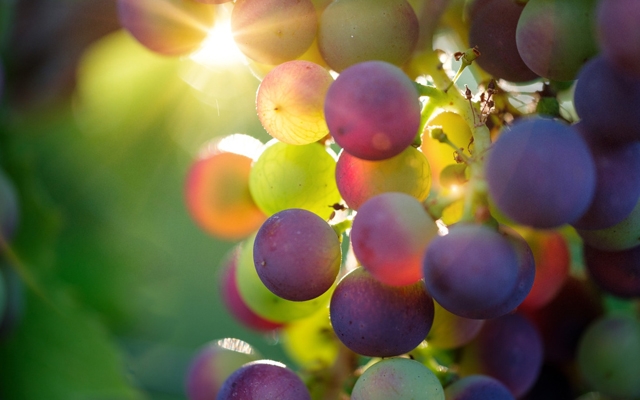
It is estimated that Italy has around 590 native wine grapes identified so far, with a few hundred distinct varieties still waiting analysis and classification.
Ampelographers (experts who study and classify grapevine varieties) anticipate there will be about 1000 native - or autochthonous, or indigenous - grapevines when all the work is complete. Of course these aren’t all just popping up out of the ground, though the area is known to have wild vines for millennia. Italy’s vast myriad of grapevines travelled via traders to the area initially from the Caucasus and Near East, with systematic cultivation starting during the Bronze Age (1000 BCE). This is long before the classical Greeks’ arrival in southern Sicily and proclamation of Oenotria (land of the vines).
Of course, over all these many thousands of years, waves of rulers, combating philosophies, varying languages, plagues, wars, revolution, and evolution, the humble grapevine has continued to thrive and spread, grown in all of Italy’s 20 provinces today. Part of the issue with tracing and identifying these vines is that they were often named incorrectly, or sporadically. For example: Mario over here is growing a white grape vine that produces fruit that tastes like his cousin Luigi’s. He decides to call it Malvasia, like Luigi did. But it’s not the same Malvasia as their grandfather grew - it’s not even related. These names are carried down through the generations, creating major challenges in the unravelling of the vines. And vines, being part of uncontrollable Mother Nature, can change and mutate over time, especially when transported to different climates, and different soils. These biotypes share the same genetic background, yet due to their adaptations to differing environments over a long period of time, manifest differences. Take Sangiovese for example: It is known as Brunello in Montalcino; Prugnolo Gentile in Montepulciano; Morellino in coastal Maremma. All are biotypes of Sangiovese, but each display distinct differences in profile.
Of the near 600 Italian grapes identified, most you’ll have never heard of, or probably ever taste. Sangiovese, Nebbiolo, Fiano, Trebbiano, etc. are familiar. But have you heard of Refosco dal Peduncolo Rosso? Coda di Volpe? Bovale Sardo? They’ve survived for a reason, someone cultivates them with intention, and they’re all worth seeking out.
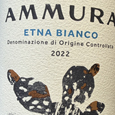
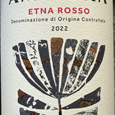
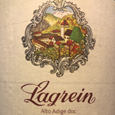
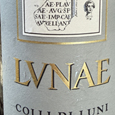
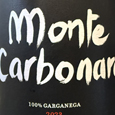
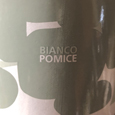
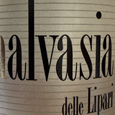
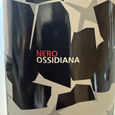
We’ve tasted 90 Italian wines in 2026 so far at GOW, and here are some of our top picks from Italy’s native grapes, in alphabetical order.