quicksearch


The most classic and historic of Spanish wine regions, the appellation of Rioja celebrated their centenary anniversary in 2025.
It was back in 1925 when Rioja was the first region in Spain to receive Denomination of Origin (DO) status, and it was the first to become a Qualified Denomination of Origin (DOCa) in 1991. Of course winemaking roots reach back far further than that, with the Phoenicians introducing winemaking knowledge back in the 11th century BCE, and Romans planting vineyards and making wine on those lands in the 2nd century BCE.
Traditionally known for their lengthy aging in wood and bottle prior to release, modern Rioja has been reinventing itself, focusing more on terroir and site than blends and aging. I visited Rioja twice in 2025, and both times highly impressed to discover the diversity of terroir and old vines being championed. Here is a primer on Rioja, and how they’re striving forward.
LAY OF THE LAND
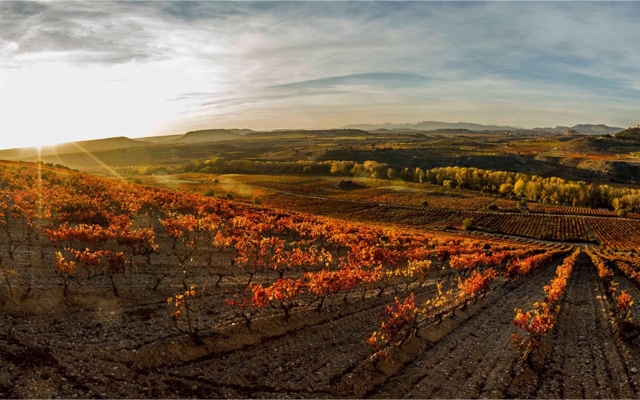
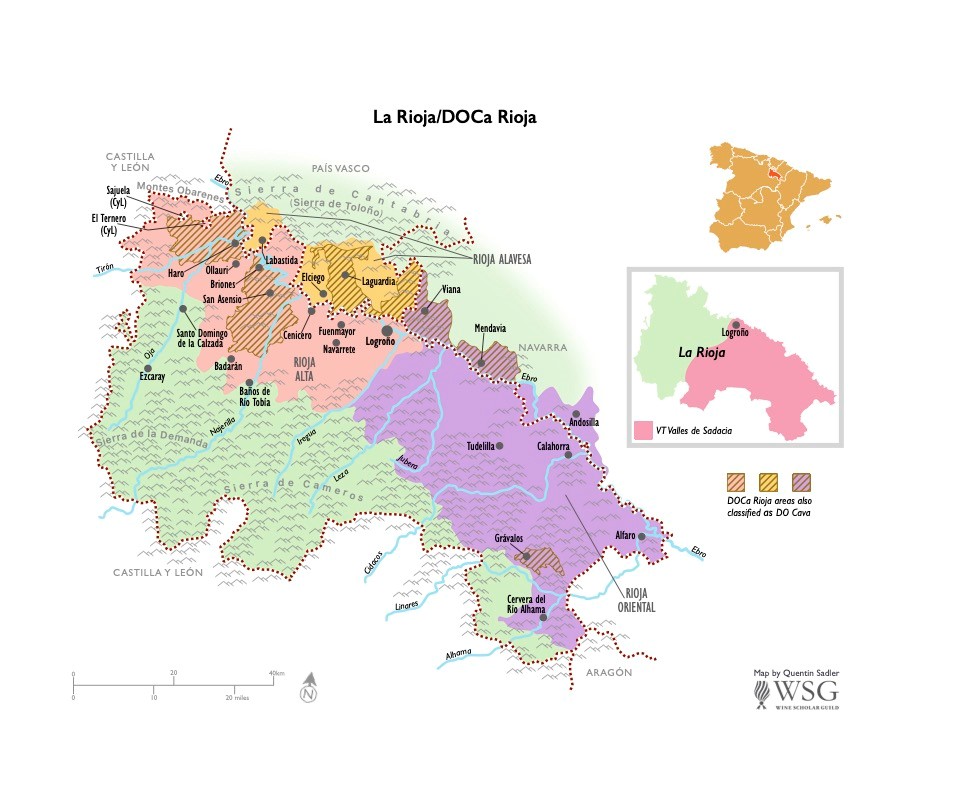
Following the mighty Ebro River (the country’s longest) in Northern Spain as it flows east to empty in the Mediterranean, Rioja runs 100km long, and 40km wide, holding 66,000 hectares of vines. In the 144 villages producing grapes, there are 14,455 growers, and 578 wineries, including 38 co-ops.
Rioja is flanked by mountains, the Sierra de Cantabria in the north, and the Sierra de la Demanda and Sierra de Cameros to the south. These mountain ranges protect Rioja from severe climate and destructive winds. Seven tributaries of the Ebro have created the seven valleys of Rioja, though is from the Oja River that the region takes its name (Rio Oja = Rioja). Vines are planted from 300-870m in a variety of microclimates, aspects, and soils. Three main soils are found throughout: Calcareous clays, making up 30% of vineyard soils; Ferrous clays, occupying about 25%; and alluvial soils, comprising the majority at 45%. A relatively warm, temperate climate, annual rainfall is between 400-600mm, while sunlight hours average 2300.
3 ZONES
There are three wine regions in Rioja.
Rioja Alta is the largest vineyard area, with approximately 28,000ha under vine. It lays mostly South of the Ebro, extending down towards the Sierra de la Demanda, with the exception of a wee piece that lays north of the river, called Sonsierra. The continental climate is influenced by the Atlantic, making it slightly cooler than the other regions. Vineyards range from 400-600m, planted on gentle terraces and alluvial plains. Alta is the cultural home of Rioja, housing the main historic towns of Logroño and Haro.
Rioja Alavesa rests north of the Ebro, and also is a continental climate through with protection from the Atlantic afforded by the Cantabrian mountains. This is the smallest zone, with approximately 13000ha under vine, planted on terraces and slopes from 400-700m. Alavesa has the greatest concentration of calcareous clays / limestones, and its culture is influenced by the Basques.
Rioja Oriental is the furthest east, so its climate is more Mediterranean influenced. Its 25,000 hectares of vineyards are primarily south of the Ebro, on alluvial plains from 300-700m. The proximity to the Mediterranean Sea makes it the warmest and driest zone.
South of the Ebro, altitude plays a more important role, with vintners moving ever higher to chase fresh acidity, especially for white grapes. There is a treasure trove of old vines across the region, with 20,000 ha of 35+ year old vines, representing 30% of the DOCa. 50+ year old vines make up 10% (6500ha), while 100+ year old vines are still planted on 484 ha (making up 1% of production).
14 GRAPES
Red grapes make up 91% of production, and 83% of sales. Of the 5 permitted red varieties, Tempranillo is king, making up 80% of all plantings. Indigenous to Rioja, Tempranillo is Spain’s most widely planted grape thanks to its early ripening and harvest (Temprano is Spanish for early). In addition to its short growing season, allowing it to survive and thrive in a continental climate, the grape is thick skinned, helping resistance to mildews. Medium in alcohol and acid, and elevated in tannins, it responds well to oak aging, and therefore long-lived wines. Garnacha, native to Aragón, is the queen of Rioja’s grapes. This warm climate grape thrives in Rioja Oriental, and used to be the most planted grape of Rioja. However, it is early budding and late ripening, susceptible to climate and mildew, so it fell out of favour compared to versatile Tempranillo. Garnacha now makes up only 8% of all plantings. Graciano, Mazuelo, and Maturana Tinta make up the rest of the allowed reds, traditionally used as seasoning in blends, but increasingly now spotlighted as solo varieties.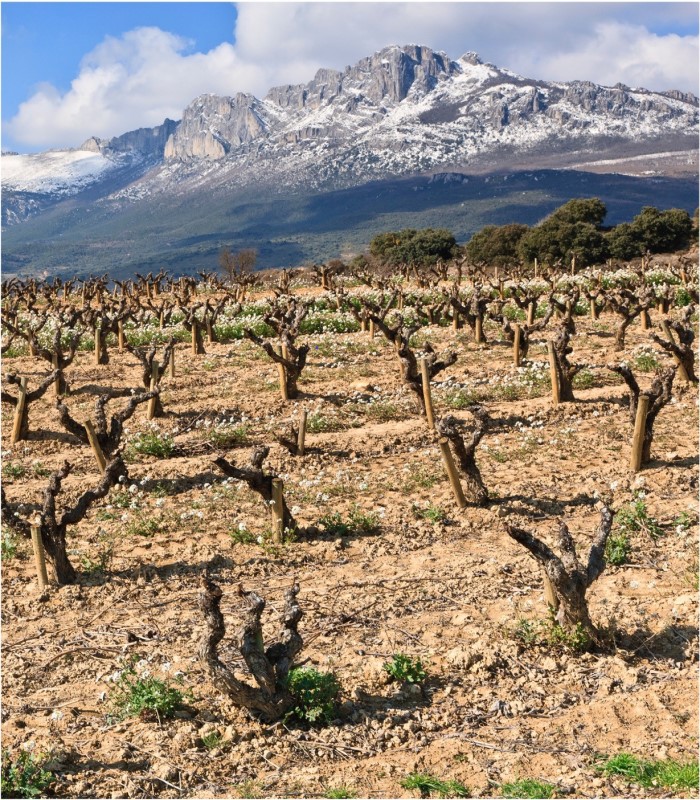
White grapes, once almost an afterthought, are currently a highlight. Though only comprising 9% of vineyard area, they make up 12% of Rioja sales, and Rioja has become the second white wine appellation in Spain by volume. Of the 9 permitted varieties, Viura leads by far with 66% of white plantings. The grape benefits from budding and ripening later than most whites, often at the same time as Tempranillo, making it a handy vineyard companion. Also known as Macabeo, and related to Xarel.lo, Viura is the top planted white variety in Spain. Tempranillo Blano, found only in Rioja, is a natural mutation of Tempranillo, and was only just discovered in 2007. This high acid grape has quickly found a happy home there, rising to 12% of white plantings. Verdejo, Garnacha Blanca, Sauvignon Blanc, Chardonnay, Malvasía de Rioja, Maturana Blanca, and Turruntés de Rioja make up the rest of the whites, planted in smatterings, but increasing. It’s now possible to find single varietal wines of nearly all the whites. ‘Outsiders’ Chardonnay, Sauvignon Blanc, and Verdejo were allowed only as of 2017, a reflection of consumer demand and climate change. Regardless of colour, there is an increase to single variety wines now, an 'unblending' of tradition, to clearly show origin, and grape.
2 CLASSIFICATION SYSTEMS : TRADITION VS TERROIR
There are 2 distinct classification systems in Rioja, and winemakers can choose one, or both, depending on their philosophy. Increasingly winemakers are moving away from the traditional classification, based solely on barrel / bottle aging prior to release. The increasing focus on site and vine age has resulted in a new terroir-based classification system, implemented in 2019.
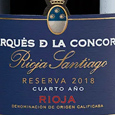
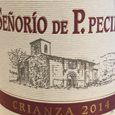
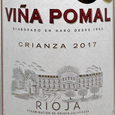
Traditionally wines were classified in four ways. Cosecha (meaning harvest) or Genérico, designed for younger wines with low / no barrel aging. Winemakers here have fewer restrictions and more flexibility, making this often the most exciting category for innovation. From there the pyramid moves upward to Crianza, with red wines aged a minimum of 24 months with at least 12 months in 225L barrel. White and rosé wines must spend a minimum of 6 months in barrel prior to release. Reserva is the next tier up, with reds wines aging for at least 36 months prior to release (with at least 12 months in 225L barrel and 6 months in bottle), while white and rosé wines must undergo 2 years of ageing with 6 months in barrel. At the top of this traditional pyramid sits Gran Reserva, where reds are aged at least 5 years, with a minimum 2 years in 225L barrel and 2 years in bottle, and white and rosé wines requiring a minimum 4 years aging with 6 months minimum in barrel. As you can imagine, these rules require quite a lot of 225L barrels, and more than 1 million currently rest in Rioja. The tradition was based on Bordeaux, where many pioneering Riojano winemakers like Marqués de Riscal and Marqués de Murrieta went to study winemaking in the 19th century. The decision to use American oak barrels over French was an easy one. Spain and the United States were trading partners at the time, and the wide abundance of American oak (Quercus Alba) made barrels far cheaper than the French ones. The taste profile of Tempranillo in American oak became a signature of Rioja for many years, though it is now declining.
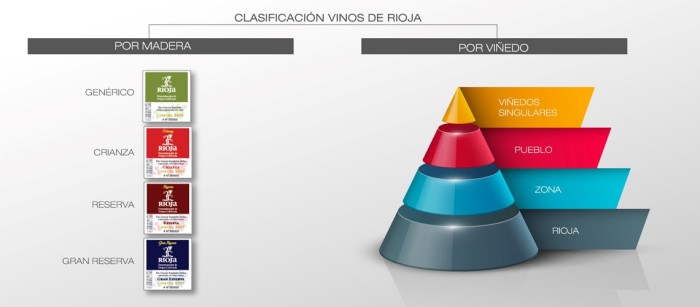
The new, terroir-driven classification values origin over winemaking, putting the spotlight deservedly on place rather than style. At the base of the pyramid you have the Genérico wines, not belonging to any one single place. From there you progress to Vinos de Zona, where wines are made entirely from the regions of Rioja Alavesa, Rioja Alta, or Rioja Oriental. The pyramid moves up to Vinos de Municipio, 144 recognized municipalities or villages that grow grapes in Rioja. All the grapes for those wines must come from a single village. At the top of the terroir pyramid rests Viñedos Singulares, single vineyard wines. These sites must be approved in advance, and are meant to reflect the diversity of terroirs. Wines in this category must be made from sustainably grown vines at least 35 years old, be hand-harvested, and with low yields (at least 30% lower than for the DOCa). The final wine must pass a double qualitative tasting analysis, and the vineyard must be managed by the same team for at least 10 years. As of middle 2024 there were 162 Viñedos Singulares from 80+ producers covering approximately 250 ha (less than ½ of 1%).
Rioja has also created a new sparkling wine classification called Vinos Espumosos de Calidad de Rioja. In order to qualify, the vintage-dated traditional method wines rest a minimum of 15 months on lees. For Reserva it is 24 months, and for Gran Ańada it is 36 months.
If you want to learn more about this fascinating region, I recommend diving deeper at www.riojawineacademy.com.
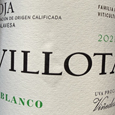
We’ve tasted more than 2 dozen Rioja wines at GOW recently, listed here in alphabetic order for you: