quicksearch


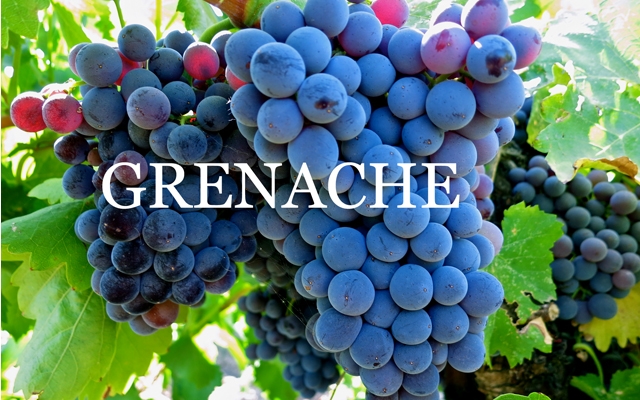
Grenache is one of the most widely planted red wine grapes planted on the globe, which would explain the vast variety of synonyms: Garnacha, Alicante, Nieddu, Cannonau, Lladoner and Uva di spagna among them.
It is believed to have originated in Spain, where it remains the second most planted red variety, after Tempranillo. Though intrinsically associated with the Southern Rhône Valley of France, it transports easily, showing fantastic success in regions diverse as South Africa, Australia, Sardegna, Southern California, Washington, and beyond.
This early budder / late ripener is a heat seeking missile. Its sturdy wood, penchant for dry, rocky soils, and upright growth pattern makes it suitable for hot, arid climates and able to withstand periods of drought. With rising temperatures and water shortages widely spread across the wine world, Grenache makes for solid viticultural insurance, though its tight grape clusters can welcome rot and mildew. The thin skinned, light flesh, sweet grape tends to make wines higher in alcohol and lighter in colour, often desirable traits in a blending partner. Pure varietal Grenache aren’t all that common. Most often you’ll see it blended, as with Châteauneuf-du-Pape, for example, or GSM blends from Southern France and South Australia.
Natural mutations have led to Grenache Blanc, commonly planted in Spain and France, as well as Grenache Gris, lesser common and often used for rosés. There is also a mutation called Garnacha Peluda, or Hairy Grenache, evolved to sprout fuzz on the underside of its leaves to protect the vine from transpiration in hot climates.
Red fruit notes are hallmarks of this charming grape. Raspberry, strawberry and cherry are common, with a characteristic white pepper, spice and dried herb savouriness, and a move towards leather and tar with age. Grenache’s versatility also makes it a feature player in rosés (Tavel, and Navarra especially), and fortified vins doux naturels of Roussillon such as Banyuls.
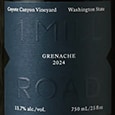
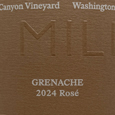
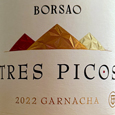
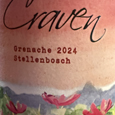
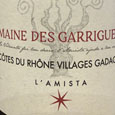
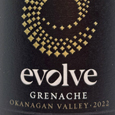
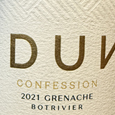
I've included some of the top recently tasted varietal Grenache below, including Grenache Blanc and Grenache Gris. If you'd like to see how well it gets along in blends, use the Wine Search feature on our site and type Grenache into the main wine search field to find hundreds more examples.