quicksearch



It's rosé season, although many would say those days are over because it's rosé all day, all year now.
A quick review of the category suggests the era of explosive, novelty driven growth is over. Still, it is not uncommon for fads to become trends and trends to become reality, because rosé is clearly going nowhere.
The category has become remarkably resilient, even in the face of a shrinking global wine market. Today, rosé accounts for about 10 percent of total global still wine consumption, a share that has remained more or less steady since 2022. Compare that with the falling demand for red wine across all price levels, including the once untouchable Napa Valley Cabernet Sauvignon, which is down 12 percent in 2024 alone.
Globally, rosé consumption has declined modestly since its 2019 peak, at roughly 1.7 percent per year, compared with nearly four percent annual declines for still wine overall. In Canada, rosé is one of the few wine segments still showing volume growth, with sales forecast to rise by more than 11 percent between 2024 and 2028, despite overall alcohol consumption declining nationally.
What we know for sure is that rosé continues to fit today's lighter-drinking mindset: generally lower alcohol, fresh, and flexible across all occasions. Just as important, it is served chilled. Cold drinks and beverages with ice cubes are as popular as ever among consumers and will remain so as global warming continues to raise daytime summer temperatures.
Millennials and Gen-Z remain disproportionately engaged with rosé compared with other wine styles, likely due to its positioning as a casual, social, and visually appealing drink, rather than anything traditional or formal, so far. I say so far because the wine business can't help but try to raise the level of rosé to something more substantial and costly, because that is what they do whenever a grape, region, or wine category shows widespread interest.
There is little doubt rosé is benefiting from a more serious approach in the vineyard and the winery. It's no longer just some juice bled off a tank to improve a high-yielding red wine. Grapes are grown and fermented from start to finish to make a rosé, and that alone has changed the game. I suspect the colour will get darker as the wine business tries to make it a serious wine, which, in my estimation, will be a serious mistake.
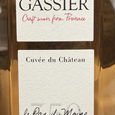
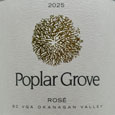
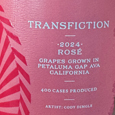
Looking ahead to late spring and summer, some labels are already establishing themselves as sure bets in BC. In alphabetical order, we offer some of the favourites we have tasted since January 1.