quicksearch



It has been just over a year since we first looked at replacing Crafted in British Columbia wines after the 2024 deep freeze that swept through most interior wine regions.
Some 95 percent of the vines were injured, and many are currently being replanted or need to be replanted.
In their absence, new vines produce little or no crop until year three, and in many cases, it's four years before an economic harvest takes place, Mother Nature willing. The disaster led to what we call the replacement wines, sparking collaborations with Washington, Oregon, California, Italy, France, New Zealand, and Ontario, with more to come. We suspect South America, South Africa, and Europe will join the party before it ends. Last summer, our goal was to produce enough wine to keep the winery doors open for tourists and locals alike and, perhaps more importantly, to retain staff and prevent the brain drain of our biggest and brightest winery personnel.
In many ways, the wines have done just that. Before the current wildfires in Summerland and the smoke leaking in from just outside Osoyoos and the Similkameen from the US side of the border, they looked set to disappear from the market over the next year as the red wine release filters into the marketplace, filling the aforementioned grape shortage for now. We say for now because, in the aftermath of the current wildfires, another grape shortage may follow, given the vine damage and the real possibility of smoke-tainted grapes at harvest. Add to that the start/stop/start wildfire-interrupted tourist season, and one wonders what wineries will do to keep the doors open yet again.
For now, the Fraser Valley and Vancouver Island have escaped the smoke and had no major fire outbreaks; the same goes for Lillooet and possibly the Thompson, but their contribution to the total overall crop is small. Despite a plentiful 2025 harvest, inventories are running low and access to a broad selection of vineyards is now unlikely for the harvest. The question is: could replacement wines be the answer again?
It is a tricky proposition, given the mostly all-for-or-all-against attitude toward these wines within the industry and, to some extent, among consumers too. To say current political tensions have complicated our working relationship with US producers and growers is an understatement and another negative for the closest solution.
We favour making the replacement wine program permanent. The climate crisis is worsening, and wineries need the flexibility to plan before disaster strikes. The extreme cold events of December 2022 and January 2024 are unlikely to be isolated, given the increasing instability of the polar vortex. If the first replacement program taught us anything, it is that industry support moves too slowly. Permanent rules would let wineries make informed decisions rather than wait for emergency measures introduced after harvest has begun—too little, too late.
Smoke taint is another recurring threat. The 2026 season joins a growing list of smoke-affected vintages, including 2023, 2021, 2018, and 2015. In wildfire years, the replacement program could allow wineries to source clean fruit from Ontario, Washington, or Oregon. This is not about abandoning B.C. growers; it is about protecting the B.C. wine brand and giving wineries a sustainable path forward when local fruit cannot meet quality standards. Releasing smoky wines does not serve the industry's long-term health, and the more cautious decisions being made this year suggest many wineries have learned that protecting quality also protects their brands.
The abundant 2025 vintage may let some wineries skip red wine production this year, but others don't have that cushion, and none can rely on it if smoke or cold returns next season. A permanent program would provide access to grapes when no other quality option exists. Nor do we share the fear that fruit from Oregon or Washington will overtake the Okanagan. B.C. wine drinkers have remained loyal, and side-by-side tastings routinely show that Okanagan wines are every bit as good and typically better. Local wine would remain the industry's pinnacle; replacement wines would help the industry survive and could also fill price points the Okanagan is not well suited to.
A permanent program should come with stricter rules that better serve its original purpose. First, replacement wine should be fermented in British Columbia; previously, wineries could buy bulk wine and merely bottle it here, a practice that does little to protect winery jobs and can undermine other industry stakeholders, including importers. Requiring fermentation in B.C., combined with each winery's inherent capacity limits, would help prevent oversupply and discourage a continuous stream of mediocre bulk wine. Production could also be capped at a reasonable percentage of a producer's average output and limited to whole-grape wine. Clear, standardized labelling — identifying the grape origin and where the wine was made from start to finish — would give consumers the transparency they deserve. The British Columbia Wine Authority has no jurisdiction over wines that are not 100 percent B.C., but its involvement in developing consistent standards would be welcome. So far, as one retailer told me, "It's the wild west out there."
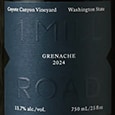
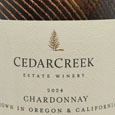
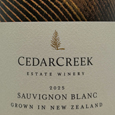
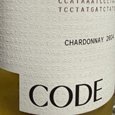
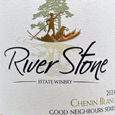
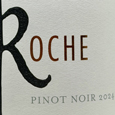
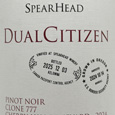
The wines are legally categorized as "Made in Canada with Imported Ingredients," hardly a statement designed to sell wine, given the decades of low-level wines sold under that moniker by the country's largest wineries. That leads us to our regular task of tasting and reviewing wines in the marketplace, including 'replacement wines.' The truth is, we are finding as much joy in drinking some of these wines as local winemakers have expressed in making them. It's been a chance for them to stretch their legs as well as save their jobs and the jobs of hundreds of people connected to the wine business.
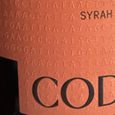
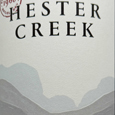
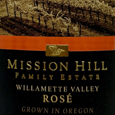
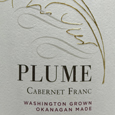
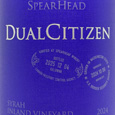
Here is a look at many of the labels we've tasted, mostly since May. The question is, will they stay or will they go?