quicksearch


It’s been 20 years since a small group of wine lovers made an unlikely bet on the Similkameen Valley, believing the wild, windy, sunbathed, rocky valley could produce wines that would turn heads.
In 2006, they founded Clos du Soleil Winery, the "vineyard of the sun," bringing a focused Old World sensibility to a New World frontier, somewhat reminiscent of early pioneers who bet on finding silver and gold nearby.
The Bordeaux model was always the goal, but to many others it seemed an impossible task, given the rough, untamed Similkameen terroir and the elegant style of modern Bordeaux wines. My introduction came back near the beginning, when I was cornered at an Okanagan tasting in Vancouver by an exuberant partner, Spencer Massie, a retired Royal Canadian Navy lieutenant-commander who learned to love wine during his years at sea. Massie drove the bus early, consulting with the Herder family, among the earliest Similkameen wine growers, to plant the right grapes in the right spot.
The original 2.6 hectare parcel on the upper Keremeos bench was planted with Cabernet Sauvignon, Merlot, Cabernet Franc, Malbec, Petit Verdot, Sauvignon Blanc, and Sémillon. From the outset, the group farmed sustainably, embracing organic and biodynamic practices to produce wines with a sense of place and to ensure the vineyard's longevity for decades. Today, Clos du Soleil tends 16 hectares across five vineyards.
The winemaking at Clos du Soleil has been almost exclusively in the hands of two talented Canadians. Massie enlisted fellow high school classmate and revered organic winemaker Ann Sperling to consult during the early years of Clos du Soleil. The quality of those early releases set the winery on a firm path to success, laying the groundwork for current winemaker Michael Clark, who took over in 2012 and has since crafted some of B.C.'s finest wines.
Clark was drawn to the owners' vision and the valley's singular terroir, something he says was unlike anything he'd seen in European or Canadian wine regions. He has also stayed true to his personal vision, championing minimal intervention, organic viticulture, and a hands-off approach in the cellar, believing in biodynamic methods and wild fermentation to let Similkameen soils and sage-scented air speak through the wines.
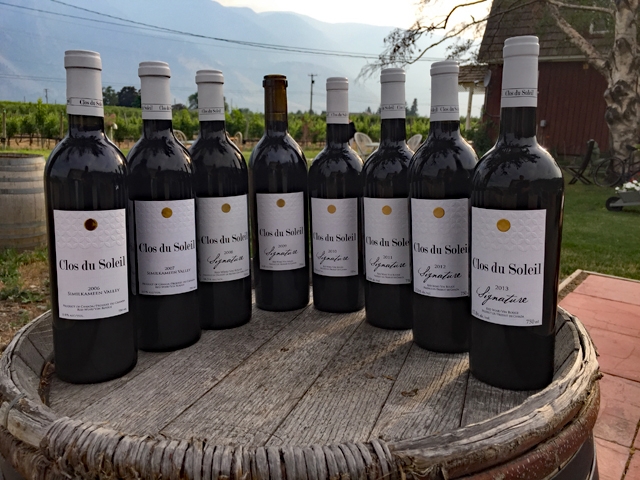
Last month, Clark was in Vancouver celebrating the 20th anniversary, speaking to a sold-out crowd at the Wedgewood Hotel's Bacchus Restaurant. He served three old vintages of the flagship Clos du Soleil Signature red: 2010, 2013, and 2015 to emphasize the ability of Clos du Soleil wines to age.
The 2010 showed extremely well, given its age and the vineyards' youth at the time. It was a cool year that produced a leaner, savoury style that has benefited the wine as it has aged. 2013 was a star. It was easily the best wine of the night, showcasing all the best traits of a well-aged Similkameen red. The 2015 comes from a hot year. It is less Euro in style and more Napa, but still has the balance and savoir faire of the Similkameen Valley, a region that, 20 years down the road, now stands comfortably on its own name.
Many consumers find aging wine an obscure concept, as they often consume wine within a couple of hours after leaving the store. However, a wine region's reputation for wines that age well and evolve in the bottle is crucial for boosting its status among the world's top producers. The goal is to produce wines beyond mere commercial quantities — those that highlight a strong sense of place. Clos du Soleil has demonstrated that B.C. possesses the right climate and soils to compete internationally, even if our exports remain limited.
Clos du Soleil plans to celebrate its 20th anniversary throughout the year, so check the website for upcoming events or stop by the winery, where an older vintage pour will be offered alongside current releases, subject to availability.
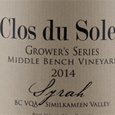
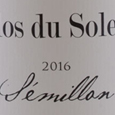
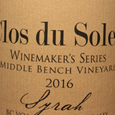
Here is a recap of some of our favourite Clos du Soleil wines we have tasted over the past 20 years.