 quicksearch





Week in Review
Thursday, June 25 2026
06 · 25We Are Better Together
B.C. wine is no longer just a regional niche—it's a premium-driven, home-grown market where consumers are buying fewer bottles, but better ones, and increasingly choosing local. It remains to be seen what lobbying against and heavily taxing the import wine business, while protecting local producers, will do for the future of B.C. wine. At some point, if we continue to diminish the value of the import sector, we could end up with a market built on protection rather than competition, which is always bad for wine. We look forward to highlighting the best wines in the market, no matter their source. After that, it’s up to you to decide what to drink. Enjoy the summer.
ag

Anthony
.jpg)
Summerland StrongAfter the devastating Bald Range fire that affected parts of Summerland, we're focusing on supporting local wineries, distilleries,...
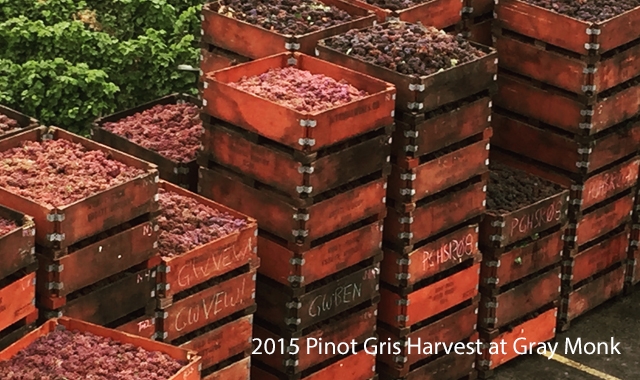
B.C. Pinot GrisBritish Columbia pinot gris has become a legitimate shape-shifter in the local market, and one need only explore a glass to experience...

BC Food and Wine RadioBC Food and Wine Radio is thriving in a challenging media landscape.
Nearly 30 years after its 1997 debut, the show now airs weekly...
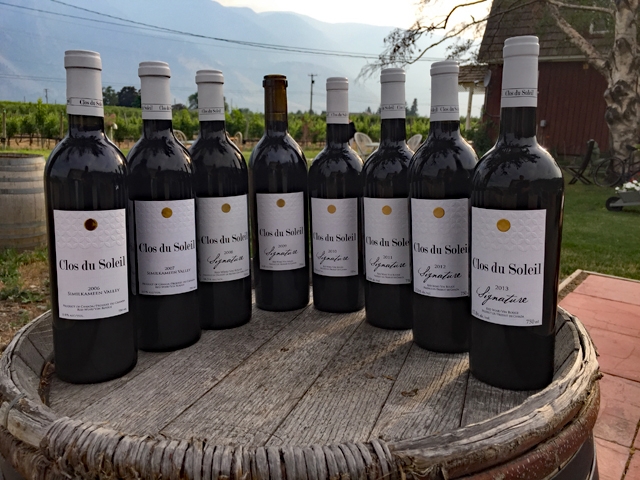
Clos du Soleil Turns 20It’s been 20 years since a small group of wine lovers made an unlikely bet on the Similkameen Valley, believing the wild, windy,...
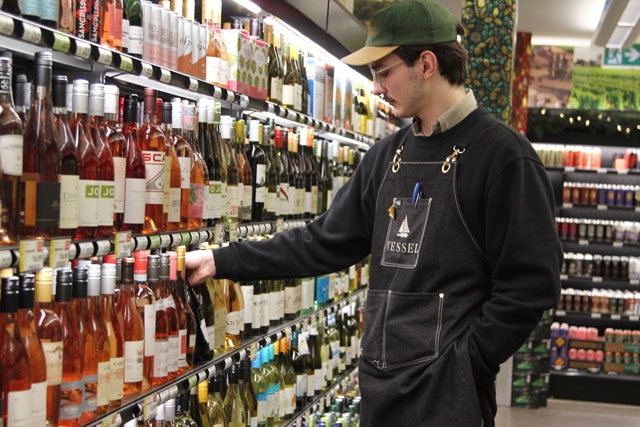
B.C. Private Liquor Retailers Enter the Restaurant Scene.Today brings big news for both local and international wineries. The Liquor and Cannabis Regulation Branch has announced that authorized...

Rosés are Pink Part 1It's rosé season, although many would say those days are over because it's rosé all day, all year now. A quick review...
Contributors

Cheese Pleaseby: Allison Spurrell

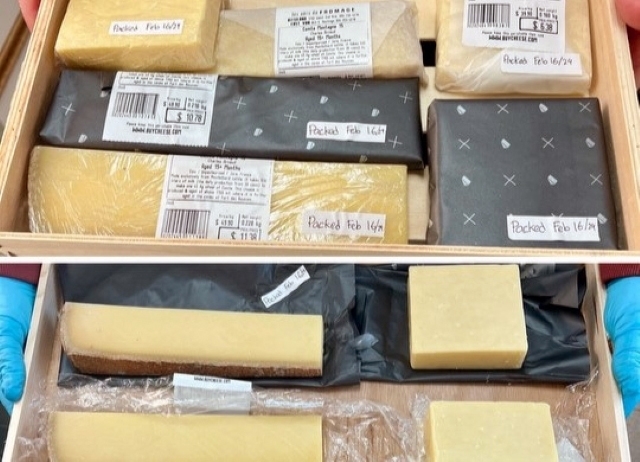
Tips on Storing Cheese
Allison is away on holiday this month, no doubt pursuing her cheese dreams. In her absence, we have gone back to a very useful early article she wrote for us on how to store cheese. ED When we have done group cheese tastings in the past, one of the questions that comes up the most often is how to preserve and care for cheese. That is an excellent question because cheese is pricey, and it's a shame to waste it by not protecting it...Read More ...

by: Brent Gushowaty

Pinot Noir’s Island Outposts
Pinot noir plays the edges. Its flavours and subtle expressions of terroir are most articulate and profound only in a few very particular places on earth. It demands just the right amount of virtually everything that influences a vineyard's situation. When enough of those elements are right, it can produce wines that are superb, even thrilling, fetch higher prices, and contribute solidly to a winery's reputation, bottom line, and continuation...Read More ...

From the TreveHouseby: Treve Ring
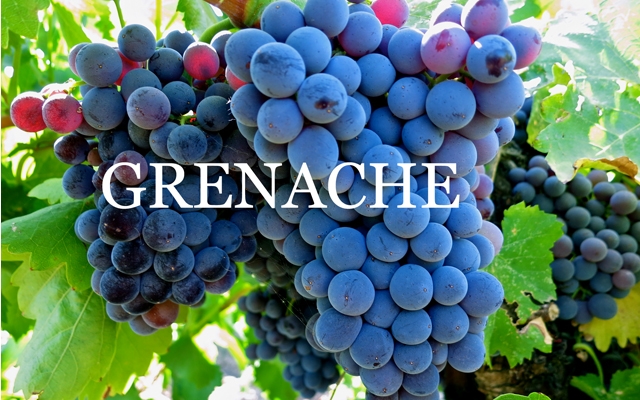
Grenache
Grenache is one of the most widely planted red wine grapes planted on the globe, which would explain the vast variety of synonyms: Garnacha, Alicante, Nieddu, Cannonau, Lladoner and Uva di spagna among them. It is believed to have originated in Spain, where it remains the second most planted red variety, after Tempranillo. Though intrinsically associated with the Southern Rhône Valley of France, it transports easily, showing fantastic success in regions diverse as South Africa, Australia, Sardegna, Southern California, Washington, and beyond...Read More ...