quicksearch


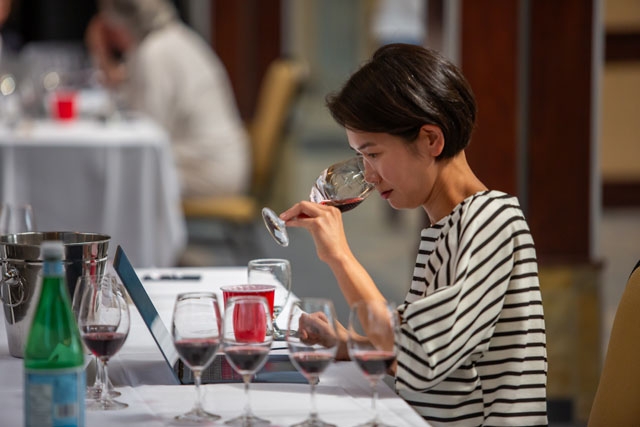
The gates are open for the 25th running of the National Wine Awards of Canada, June 12 to 17, in Niagara Falls.
Early submissions are flowing in at a rate that suggests entries will be on par with the last two years, which, despite short years in B.C, in 2023 and 2024, were healthier than expected. Some of this is driven by the number of new wineries and cideries sprouting across the country. I am tasked with combing the websites of winery associations and identifying those that are “new to me,” and it has become a long job.
The “Nationals” were founded in 2001 under the auspices of Wine Access magazine, by good friend Anthony Gismondi and yours truly. They were taken over by WineAlign in 2010, with the same core of judges, volunteers, and procedures in place.
The idea from the start was to assemble, intermingle, and blind-taste wines from coast to coast on a level playing field to gauge quality, and not to play one region against another, which Canadians so easily do. Over the years, the Awards not only recognized which wineries were consistently performing well, publishing lists of the Top 20 each year, but also gradually affirmed which varieties and styles were doing well not only nationally but also within the provinces and their sub-appellations.
All medal-winning wineries are listed at Winealign.com, and down the road, many silver, gold and platinum winners will show up with more detailed reviews at Canada’s Best Wines, as well, adding to their exposure and going deeper into their background.
New this year, the NWACs have created categories for “No-Lo” wines, with no or low alcohol. Obviously, it is a growth category that many are embracing, if not out of outright abstinence, but as a way to drink less alcohol while still enjoying the social aspects of wine drinking. Which hopefully means that when they do drink real wine, they are drinking better.
Entries “must be made either wholly or partially from grapes and can include hybrids such as products made from grapes blended with other fruits. There will be no restrictions on how they are made (unfermented verjus, various methods of removing or lowering alcohol, partial ferments, etc.).” But ingredients must be wholly Canadian. There are two basic categories: non-alcoholic wines with <0.5% ABV and low-alcohol wines with <7.5% ABV.
The WineAlign judges will also be tasting so-called “replacement’ wines from the 2024 and 2025 vintages in British Columbia. These are wines made largely from Washington, Oregon and California fruit imported to offset the devastating loss of production caused by the January 2024 deep freeze. The replacement wines will receive gold, silver, and bronze awards, but are not part of the National Wine Awards standings and will be reported on separately later in the summer.
The Nationals run over five days each June, alternating between east and west. We assemble a terrific crew of judges from east and west as well – roughly 20 give or take, based on the number of entries. They are paid for their travel, accommodation and a decent honorarium. Each judge tastes about 90 wines each day, timed and ordered to be fair to the judges’ palates therefore the wines. There is ample time for them discuss, learn and consider their initial impressions. Few judges turn down this invitation.
A seasoned team of volunteers, some of whom travel across the country on their vacations, ensures that the wines are served in proper sequence, on time and at ideal tasting temperature. Once on the judge’s table, my role is to oversee quality control of the judging process. Largely, it is doing re-pours of any wines with even the slightest hint of a flaw. But Anthony and I will sometimes become arbiters if the passionate and knowledgeable panellists can’t agree on a specific wine. These are the moments pros live for.
With wines from across Canada having to be in one place at the same time, there are shipping consolidation deadlines. Most importantly, this year, B.C. wineries must be at the consolidation point by May 20. Ontario and Nova Scotia wineries must be assembled by June 5. Wineries should go to WineAlign for all the details.
This article was also published on April 23 on my new website: Lawrason’s Guide to Canada’s Best Wines. It presents 26 themed articles and over 300 detailed reviews per year on Canada’s top wines. It is a reader-supported, subscription-only editorial site ($50/year) with no winery advertising. It also includes a free monthly newsletter covering major news, events and winery openings coast to coast. Go to canadasbestwines.ca.