quicksearch


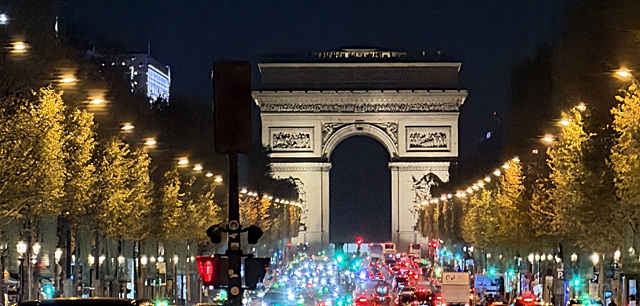
A week in France is always good for the wine soul, even as the powerhouse player in the wine business navigates the many winds of change.
The French wine sector is contracting, but it's not as dire as it sounds. Consumption has been falling for decades. In 1975, the French were drinking 100+ litres of wine per person per year; by 2023, that had dropped to 45 litres. It is still high by world standards, but is retracting toward more moderate overall European consumption levels.
The picture at retail is similar. In August 2025, Wine Intelligence reported that "sales of wine in French large-scale retail dropped 7 per cent compared to 2023, yet France remains one of the largest wine-consuming nations in the world, drinking an average of 2.1 million bottles per day of still wine."
Walking the streets of Paris, Orange, and Narbonne this month and visiting brasseries and cafés along the way, what is striking is the richness of French producers encountered on the wine list, even if, by North American standards, individual selections are sparse. The appellations involved are even more limited. Not surprisingly, there is an almost slavish attention to a handful of famous French appellations that have established an elevated level of quality and consistency over decades.
In Paris, places like Sancerre, Chablis, Alsace, Burgundy, Bordeaux, and Beaujolais dominate lists, but most selections are from lesser-known producers, priced in the 30-65 Euro range, with Champagne selling at the top end. Terroir and place matter, and selections are clearly about where the wine hails from rather than the grape or even the producer. There is no shortage of high end, super expensive wines. Just look for the white tablecloth establishments and the well dressed patrons, and you will find the finest France has to offer.
In the villages of the Rhône Valley or across the Languedoc, the wine lists are almost exclusively local, leaving most outsiders to turn to their phones for a bit of information before pairing their bottle with lunch or dinner. The good news is that wine service is about as unpretentious as it gets. In fact, most of the time, I poured my own wine after the initial opening.
One clear trend is that white wines are far more prominent on lists across the country, as are organic, biodynamic and sustainable offerings. Some say climate change and consumer demand are driving the white wine bus. I'm not sure how measurable these things are, but they are noticeable to the informed drinker.
How does all this translate to the BC experience? Well, if French wine can become more drinkable, more honest, and more self aware, we need to be humble enough to pursue a similar goal if we want to stay anywhere near relevant.
We are on the path to attracting new wine consumers and consolidating our story, but we are far from the finish line. Next up for BC is to continue highlighting our villages of production. By connecting the home of the vines to the wines in the bottle, we build touchstones that help consumers become more informed and better connected to local wines.
After that, areas such as Okanagan Falls, the Cowichan Valley, the Similkameen Valley, Lake Country, Naramata, Summerland, East and West Kelowna, Oliver, Osoyoos, and more will take centre stage, and food, wine, and tourism will coalesce into a single cultural experience that transcends time and generations.
If you are ready to participate, pull up your chair and make sure it faces the street, French style, so you can start observing life rather than retreating from it.