quicksearch


Today brings big news for both local and international wineries.
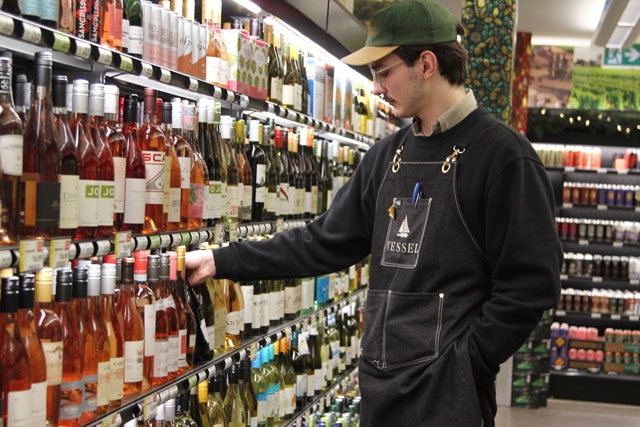
The Liquor and Cannabis Regulation Branch has announced that authorized private liquor retailers will be permitted to sell directly to eligible hospitality licensees from May 29, 2026, to June 1, 2029. This means restaurants, clubs, and similar venues can purchase stock from nearby private retailers, which have staff with decades of knowledge and reach into the global drinks community. Highly personalized, on-time service and the ability to order as much or as little as needed are a major game changer for restaurant wine lists. Deliveries could happen within hours, with a high likelihood of fulfilling 100 percent of each order. Although this is a three year trial, it might be reversed later due to its convenience. The government won’t lose any revenue. I expect restaurant by-the-glass options to improve significantly, and wines transported a short distance—sometimes just on a cart—could benefit everyone, even the environment. This measure, initially aimed at helping stores handle FIFA crowds, might turn out to be a positive aspect of FIFA’s presence in BC.
Bulletin 26-03: Licensee-to-licensee sales between licence classes
What's changing
To provide bars and restaurants with more flexibility in sourcing specialty products and to help support high-quality hospitality experiences during major events such as FIFA World Cup 2026™, the Liquor and Cannabis Regulation Branch (LCRB) has authorized a three-year trial allowing eligible private liquor retailers to sell directly to hospitality licensees.
The trial period will run from May 29, 2026, until June 1, 2029, and will give hospitality businesses more choice in where they may purchase products and help them restock more quickly during periods of increased demand.
No application is required. This change will automatically take effect for the licence classes noted above.
Rural licensee retail store licensees will not need to apply to the LCRB to sell to specific licensees or report these sales to the Liquor Distribution Branch during the trial period.
There are no annual limits to selling or purchasing from different licence classes, and liquor sales and purchases between different licence classes will not count toward renewal fees.
What’s not changing
This change does not affect the current rules for sales and purchases between licensees of the same licence class. The annual limits for those sales and purchases are outlined in each licence class’s terms and conditions and will continue to apply.
Sales and pricing requirements
Authorized sellers may sell liquor to authorized purchasers and may also deliver orders to the purchaser.
Liquor must not be sold below the price the seller paid to purchase it. For clarity, this price must not be below the wholesale price set by the Liquor Distribution Branch. To avoid customer confusion, sellers may choose to display authorized purchaser pricing separately from regular shelf pricing, such as at the till or customer service desk.
Transaction records
Each transaction receipt must have the following information on it:
- The seller’s and the purchaser’s liquor licence numbers
- The name of the person making the purchase
Purchasing and delivery rules
Authorized purchasers or their employees may purchase liquor directly from authorized sellers. Liquor must not be purchased through a third-party delivery service.
Purchasers must not purchase liquor from a liquor retailer located outside of B.C.
Promotions and Incentives
Loyalty, incentives, or reward programs are not allowed for sales between license classes.
Verifying liquor licences
All authorized purchasers and sellers are responsible for ensuring they buy from, or sell to, licensees with a valid liquor licence. Refer to the LCRB’s list of liquor licensed establishments [XLSX, 2.4 MB] to verify a licence.
Record keeping
Both the purchaser and seller must record each transaction in their liquor register, and records must be:
- Recorded in a separate section of the liquor register or in a separate register altogether
- Kept for at least six years
- Available for inspection
Liquor register records for both the seller and the purchaser must, at a minimum, include:
- The quantity, price, brand and type (SKU#) of each liquor product sold
- The date of sale
- The name of the person who made the purchase
- The liquor licence numbers of both the seller and purchaser
Helpful information
For more information, refer to the Licensee-to-licensee sales between classes webpage.
This authorization expires June 1, 2029, unless extended.